The hospitality industry is becoming increasingly digital. Guests are no longer looking only for comfortable rooms and good service. They also expect convenience, quick communication, easy access to information and the ability to manage different aspects of their stay from their smartphones.
For hotels, meeting these expectations requires more than simply having an online booking system. They need technology that connects guests with hotel services while also helping staff manage requests efficiently.
This is where a Mobile Guest Service Platform can make a meaningful difference.
Changing Expectations of Modern Hotel Guests
Today’s travelers are comfortable using mobile applications for almost everything, from booking flights and ordering food to making payments and communicating with businesses.
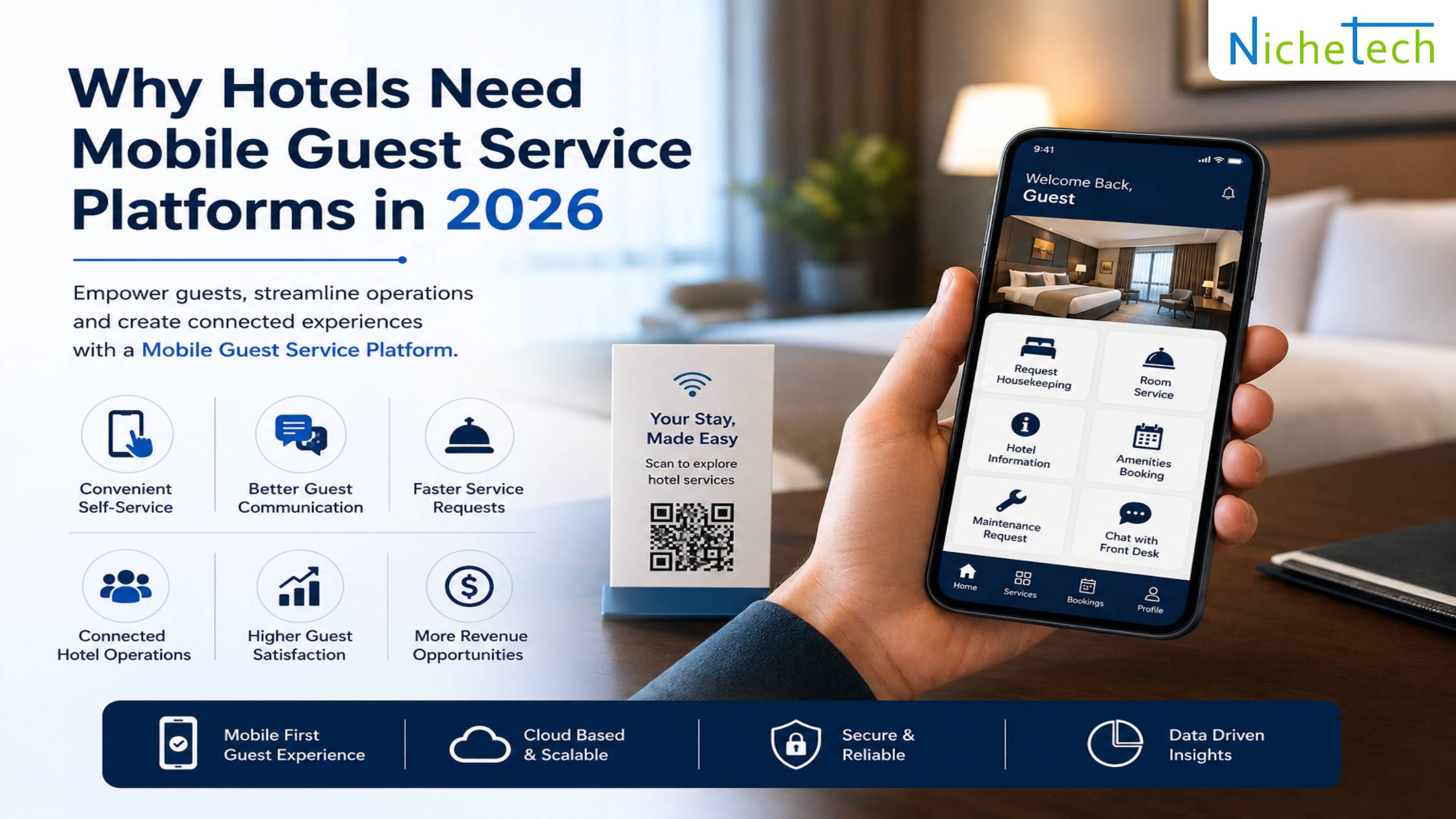
Naturally, they expect similar convenience from hotels. Instead of calling the front desk for every request, guests may prefer to use their smartphones to request housekeeping, order room service, book amenities, ask questions or receive important hotel information.
A mobile platform gives hotels a convenient digital channel for these interactions.
Make Hotel Services More Accessible
Guests may need different services during their stay. They might want additional towels, housekeeping, restaurant reservations, transportation, maintenance assistance or information about hotel facilities.
Traditionally, many of these requests require a phone call or visit to the front desk. A mobile guest service platform can allow guests to access these services directly from their phones. This reduces unnecessary steps and makes the overall experience more convenient.
Reduce Pressure on Front Desk Teams
Hotel employees often spend a considerable amount of time handling repetitive enquiries.
Questions about restaurant hours, Wi-Fi access, checkout times, amenities or service requests may not require direct staff interaction every time.
A mobile platform can provide relevant information and allow guests to complete simple requests independently.
This gives front-desk employees more time to focus on complex requests and personal guest interactions.
Improve Communication Between Guests and Staff
Communication gaps can affect the guest experience. If a guest submits a request but does not know whether it has been received or assigned, they may call the hotel again for an update.
A digital platform can provide status updates and notifications throughout the process.
Hotel staff can also receive requests in a structured format, making it easier to assign tasks to the appropriate department and track their progress.
Connect Multiple Hotel Departments
A hotel operates through several departments, including front desk, housekeeping, maintenance, food and beverage, concierge and guest relations.
If each department relies on separate processes, information can easily become fragmented.
A connected mobile platform can help bring these interactions into a more organised workflow.
For example, a guest’s housekeeping request can be submitted through the mobile application, assigned to the appropriate employee, updated when work begins and marked complete when the request is fulfilled.
Offer Convenient Mobile Check-In and Check-Out
Waiting at the front desk can be inconvenient, particularly during busy arrival and departure periods.
Mobile check-in and checkout functionality can allow guests to complete certain steps digitally before or during their stay.
Hotels can decide which parts of the process should remain personal and which can be handled digitally.
This creates greater flexibility without eliminating the human interaction that remains important in hospitality.
Personalize the Guest Experience
Guests increasingly appreciate experiences that feel relevant to their preferences. A well-designed platform can use permitted guest information to provide relevant recommendations, services and communication.
For example, hotels may promote dining options, spa appointments, local experiences, room upgrades or other services based on the guest’s stay and available preferences.
The objective is not to overwhelm guests with notifications. It is to provide useful options at the right time.
Create Additional Revenue Opportunities
Mobile guest platforms can also help hotels generate additional revenue beyond room bookings and basic services. Through digital channels, hotels can conveniently promote room upgrades, restaurant reservations, spa services, transportation, local experiences, late checkout, special packages and in-room dining.
By presenting these options directly within the guest’s mobile experience, hotels can make it easier for guests to explore and purchase additional services without having to contact the front desk.
Improve Service Request Tracking
Managing guest requests through phone calls, paper notes or separate communication channels can make it difficult for managers to understand what is still pending.
A digital system can provide visibility into open, assigned, and completed requests. Managers can monitor service performance and identify delays or recurring problems.
This can help hotels improve internal processes while creating greater accountability across departments.
Integrate With Existing Hotel Systems
A mobile guest platform does not necessarily need to operate independently. Hotels may need to connect their guest application with property management systems, booking platforms, payment systems, housekeeping software, restaurant systems or other business applications.
API Integrations can help different systems exchange relevant information and reduce unnecessary manual data entry.
This creates a more connected technology environment and allows hotels to get greater value from their existing infrastructure.
Mobile Apps Can Support the Entire Guest Journey
The role of a hotel application can begin before the guest arrives. A mobile platform can support different stages of the journey, including pre-arrival communication, check-in, in-stay services, payments, amenity bookings, and post-stay engagement.
Instead of treating each interaction as a separate process, hotels can create a more connected digital experience.
Build a Platform Around Hotel-Specific Requirements
Every hotel has its own services, workflows, customer base, and operational requirements.
A standard guest-service application may provide useful features, but it may not fit every hotel’s processes.
For properties with specialised requirements, Hospitality App Development can provide greater flexibility.
A custom platform can be designed around the hotel’s guest journey, service structure, integrations, branding, and operational requirements.
This allows the technology to support the hotel’s processes instead of forcing the business to completely change the way it operates.
Custom Mobile Applications Can Offer Greater Flexibility
Hotels may require functionality that goes beyond basic guest communication.
For example, a resort may need spa bookings, activity reservations, restaurant management, transportation requests, and concierge services within the same application.
Custom Mobile Applications can be developed around these specific requirements, allowing hotels to select the features and workflows that are actually useful to their guests and staff.
Cloud Technology Supports Scalable Hotel Platforms
Hotels need technology that can support changing demand. During peak seasons, the number of guests and service requests may increase significantly.
Cloud-based technology can provide the scalability and flexibility required to support changing workloads.
It can also make it easier for authorised staff to access systems across different locations and devices, depending on the platform’s architecture and security requirements.
Security Should Be Part of the Development Process
Hotel applications may handle personal information, booking details, payment-related information, and guest preferences. Security therefore needs to be considered from the beginning of development.
Secure authentication, appropriate user permissions, encryption, protected APIs and responsible data management can help reduce security risks.
Hotels should also ensure that their technology approach aligns with applicable privacy and data protection requirements.
Use Data to Improve Hotel Operations
A digital platform can generate useful information about guest requests and service activity.
Hotels can analyse data such as frequently requested services, response times, booking behaviour, and guest preferences to identify areas for improvement.
This information can help management understand what guests value and where operational processes may need adjustment.
Over time, data-driven insights can support better decisions about staffing, services, and guest experience.
Technology Should Support Hospitality, Not Replace It
Digital transformation does not mean removing the human element from hospitality. Personal service remains one of the most important aspects of the hotel experience.
The goal of mobile technology should be to remove unnecessary friction from routine interactions while giving hotel employees more time to focus on meaningful guest engagement.
A guest should be able to request extra towels through an application quickly, while staff remain available for situations that require personal attention.
Choosing the Right Development Approach
Before building a mobile guest platform, hotels should first understand their actual business requirements, including guest expectations, existing hotel systems, required integrations, mobile features, staff workflows, security needs, scalability, budget and future expansion plans.
A clear technology roadmap can help hotels prioritise the most valuable features, avoid unnecessary development and create a platform that supports both guest experience and long-term business goals.
Final Thoughts
In 2026, mobile technology can play an important role in helping hotels deliver more convenient and connected guest experiences.
A well-designed Mobile Guest Service Platform can simplify service requests, improve communication, connect hotel departments, support additional revenue opportunities and provide valuable operational insights.
For hotels with unique requirements, Hospitality App Development and Custom Mobile Applications can provide the flexibility to create a platform around their specific guest journey and business processes.
The objective is not simply to build another hotel app. It is to create a digital experience that makes services easier for guests, operations more efficient for staff and the overall hotel experience more connected.
FAQs
1. What is a Mobile Guest Service Platform?
It is a digital platform that allows hotel guests to access services, request assistance, receive information, and communicate with hotel staff through mobile devices.
2. How can mobile technology improve the hotel guest experience?
It can make services more accessible, reduce waiting, simplify communication, provide digital check-in options, and allow guests to manage different aspects of their stay conveniently.
3. Can a hotel mobile application integrate with existing systems?
Yes. Depending on the available technology and APIs, a mobile application can integrate with property management, booking, payment, housekeeping, restaurant, and other hotel systems.
4. Why should hotels consider Hospitality App Development?
It allows hotels to create digital experiences around their specific services, guest journey, operational workflows, branding, and integration requirements.
5. Can a mobile guest platform generate additional hotel revenue?
Yes. Hotels can use the platform to promote relevant services such as room upgrades, dining, spa appointments, transportation, activities, and special packages.
6. Should every hotel build a custom application?
Not necessarily. The decision depends on the hotel’s size, requirements, existing technology, budget, and long-term goals. A custom solution can be particularly valuable when standard applications cannot support specific workflows or integrations.