
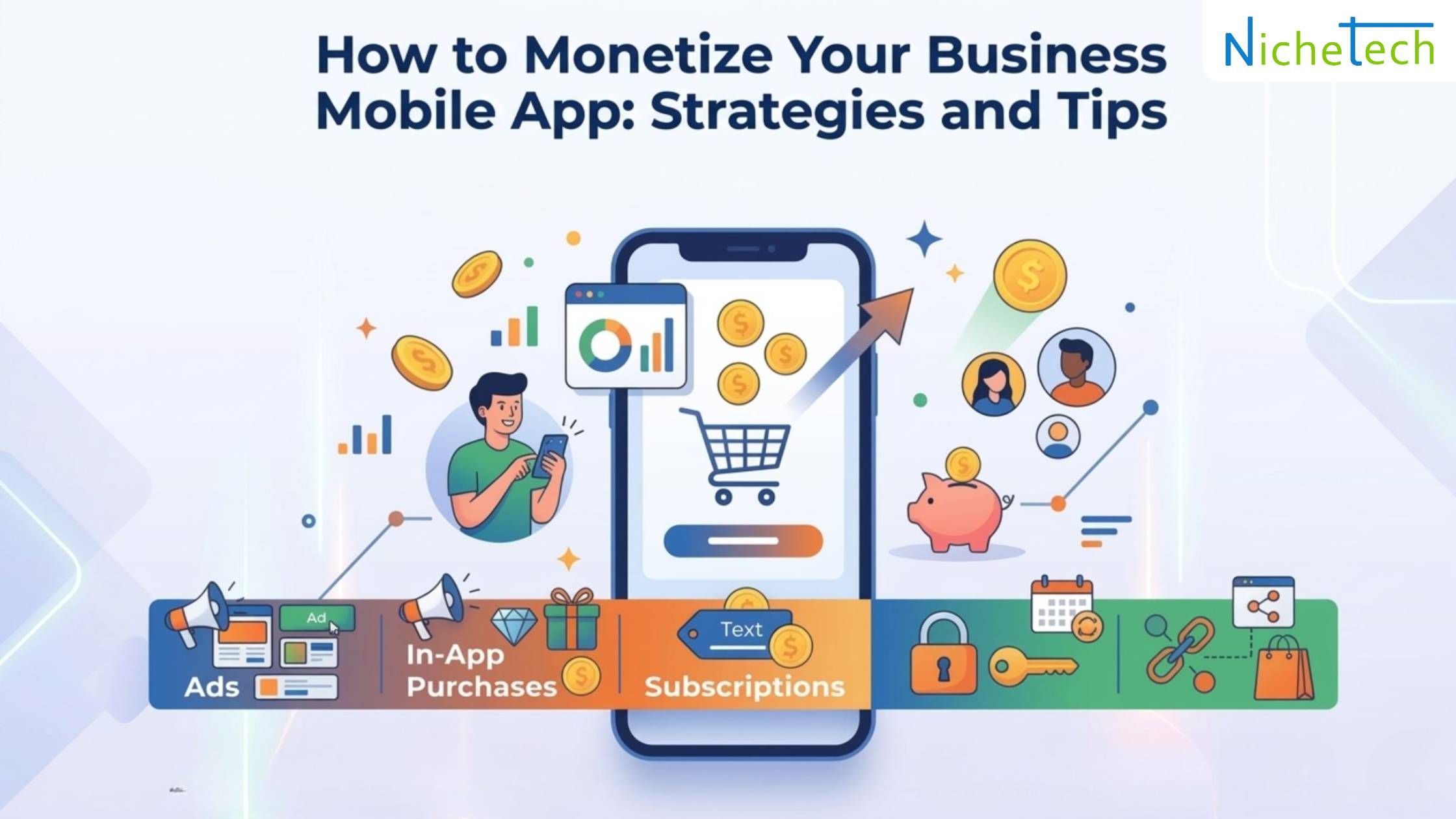
In today’s digital-first world, mobile apps are more than just tools for customer engagement; they are powerful revenue-generating assets. Businesses invest significant time and resources into building apps, but without a clear monetization strategy, it becomes difficult to achieve a strong return on investment.
The key to success lies in choosing the right monetization model that aligns with your business goals and user expectations. When done correctly, app monetization not only generates revenue but also enhances user experience and long-term growth.
Why App Monetization Matters
Developing a mobile app involves continuous investment, including development, updates, marketing and maintenance. Monetization ensures that these costs are recovered while creating a sustainable revenue stream.
A well-planned monetization strategy helps businesses scale faster, improve app quality and deliver better features to users. It also allows companies to reinvest in innovation and stay competitive in the market.
Popular App Monetization Strategies
In-App Purchases
In-app purchases allow users to buy additional features, content or services within the app. This model works well for apps that offer premium features, virtual goods or exclusive content. It provides flexibility, as users can choose what they want to pay for without committing upfront.
Subscription Model
Subscription-based monetization offers users access to premium features or content for a recurring fee. This model ensures a steady and predictable revenue stream. It is commonly used in streaming apps, fitness platforms and productivity tools.
Freemium Model
The freemium model provides basic features for free while charging for advanced functionalities. This approach attracts a large user base and gradually converts free users into paying customers by offering added value.
In-App Advertising
Displaying ads within your app is one of the most common monetization methods. Businesses earn revenue based on impressions, clicks, or user engagement. However, it is important to balance ads carefully to avoid disrupting user experience.
Paid Apps
Some businesses choose to charge users a one-time fee to download the app. While this model generates immediate revenue, it may limit the number of downloads compared to free apps.
Affiliate Marketing
Affiliate marketing involves promoting third-party products or services within your app. You earn a commission for every sale or lead generated through your platform. This works well when the promoted products are relevant to your audience.
Choosing the Right Monetization Strategy
Selecting the right strategy depends on your app type, target audience and business goals. For example, gaming apps often benefit from in-app purchases, while productivity apps perform well with subscriptions.
Understanding user behavior is crucial. If your audience prefers free access, a freemium or ad-based model may work better. On the other hand, if your app provides high-value services, users may be willing to pay for premium features.
A combination of multiple strategies can also be effective, as it allows businesses to diversify revenue streams.
Best Practices for Successful App Monetization
Focus on User Experience
User experience should always come first. Avoid aggressive monetization tactics that may frustrate users. A smooth and enjoyable experience encourages users to stay longer and spend more.
Offer Real Value
Users are more likely to pay when they see clear value. Whether it’s premium features, exclusive content or enhanced functionality, ensure that your offerings justify the cost.
Use Data and Analytics
Tracking user behavior helps you understand what works and what doesn’t. Analytics can guide your monetization strategy by identifying user preferences, engagement patterns and conversion rates.
Optimize Pricing
Pricing plays a critical role in monetization success. Test different pricing models and adjust based on user response. Competitive and flexible pricing increases the chances of conversions.
Regular Updates and Improvements
Continuously improving your app keeps users engaged and willing to invest. Adding new features and fixing issues shows that your app is evolving and worth paying for.
Common Mistakes to Avoid
Many businesses struggle with monetization because they prioritize revenue over user satisfaction. Overloading the app with ads, setting unrealistic prices or limiting essential features can drive users away.
Another common mistake is not testing different strategies. What works for one app may not work for another, so experimentation is key.
Ignoring user feedback can also lead to missed opportunities for improvement and growth.
The Future of App Monetization
As technology evolves, app monetization strategies continue to adapt. Personalization, AI-driven recommendations, and hybrid models are becoming more popular. Businesses that stay flexible and innovate their approach will have a competitive advantage.
Final Thoughts
Monetizing your business mobile app is not just about generating revenue it’s about creating a sustainable and valuable ecosystem for your users. By choosing the right strategy, focusing on user experience and continuously optimizing your approach, you can turn your app into a powerful revenue engine.
The key is to strike the right balance between profitability and user satisfaction. When users find value in your app, monetization becomes a natural outcome.
FAQs
1. What is the best monetization strategy for mobile apps?
It depends on your app type and audience. Common strategies include subscriptions, in-app purchases and ads.
2. Can I use multiple monetization methods?
Yes, combining strategies can help maximize revenue and reduce dependency on a single source.
3. How do I avoid losing users while monetizing?
Focus on providing value and maintaining a smooth user experience.
4. Are free apps more successful than paid apps?
Free apps often attract more users, but monetization depends on the strategy used.
5. How can I improve app revenue over time?
Use analytics, update features regularly and optimize pricing based on user behavior.