
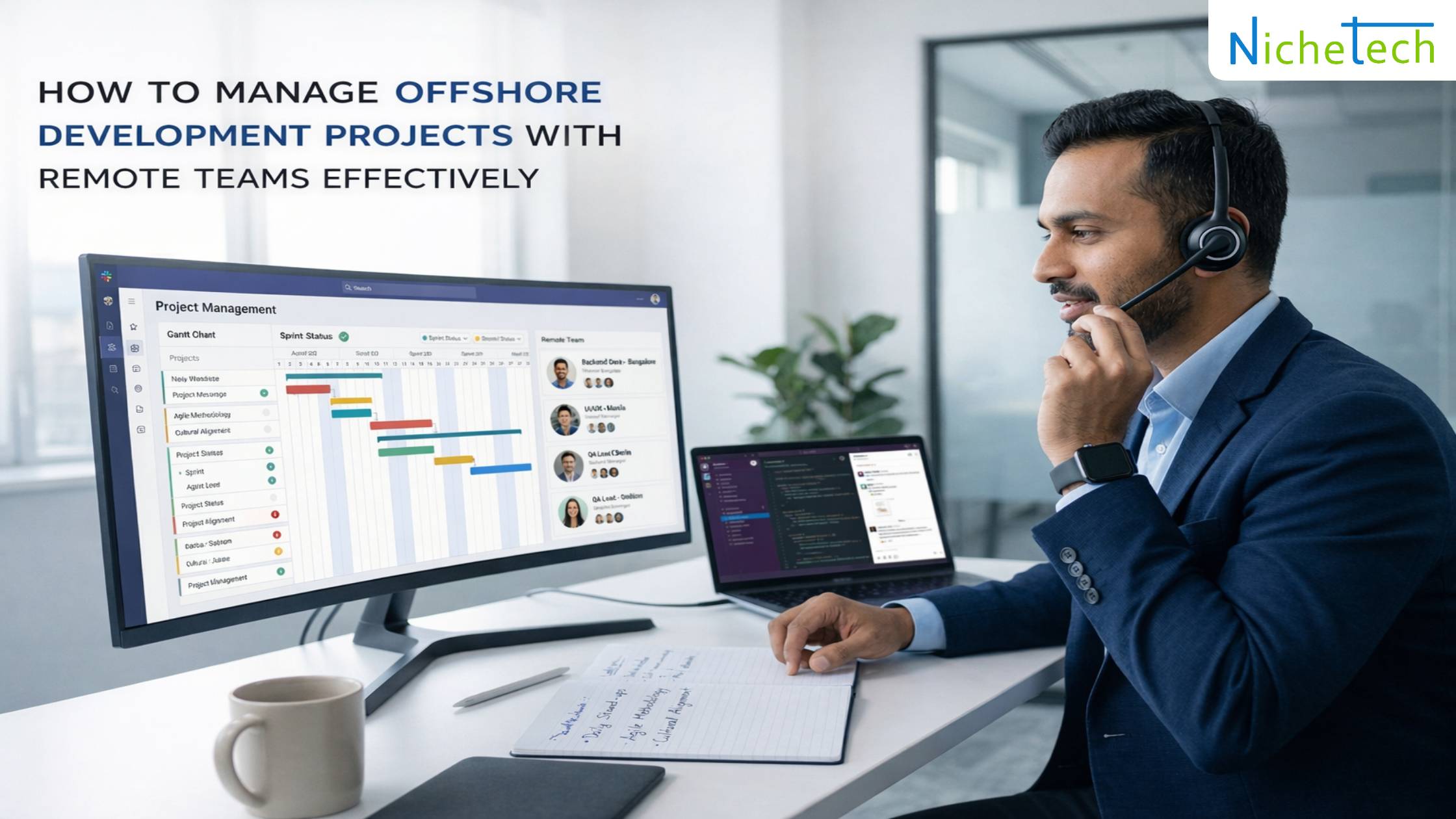
In today’s global business environment, offshore development has become a popular strategy for companies looking to reduce costs, access global talent and accelerate project timelines. However, managing offshore development projects with remote teams comes with its own set of challenges, including communication gaps, time zone differences and coordination issues.
To ensure success, businesses need a structured approach that focuses on collaboration, transparency and efficient project management.
Understanding Offshore Development
Offshore development refers to outsourcing software development tasks to teams located in different countries. This model allows businesses to leverage skilled professionals at competitive costs while maintaining flexibility in scaling operations.
While the benefits are significant, the key to success lies in how effectively these remote teams are managed.
Set Clear Goals and Expectations
One of the most important steps in managing offshore projects is defining clear goals and expectations from the beginning. Every team member should understand the project scope, timelines, deliverables and quality standards.
When expectations are clearly documented, it reduces confusion and ensures that everyone is aligned with the project objectives. Detailed project documentation acts as a roadmap and helps avoid misunderstandings later.
Choose the Right Communication Strategy
Effective communication is the backbone of successful offshore development. Since teams are working remotely, relying on structured communication channels is essential.
Using tools like Slack, Microsoft Teams or Zoom helps maintain regular interaction. Scheduling daily or weekly check-ins ensures that progress is tracked and issues are addressed promptly. Clear and consistent communication minimizes errors and builds trust among team members.
Manage Time Zone Differences Smartly
Time zone differences can be both a challenge and an advantage. While they may delay real-time communication, they also enable round-the-clock productivity if managed properly.
To make the most of this, identify overlapping working hours for meetings and collaboration. For the rest of the time, use asynchronous communication methods such as emails, project management tools and recorded updates.
Use Project Management Tools
Modern project management tools play a crucial role in keeping offshore teams organized and accountable. Platforms like Jira, Trello, and Asana help track tasks, assign responsibilities and monitor progress in real time.
These tools provide visibility into the project, ensuring that all stakeholders are aware of timelines, updates and potential risks.
Build a Strong Team Culture
Even though your team is remote, building a strong team culture is essential for long-term success. Encourage open communication, recognize achievements and create opportunities for team bonding.
When team members feel valued and connected, they are more motivated and productive. A positive work culture also helps reduce turnover and improves collaboration.
Focus on Quality Assurance
Maintaining quality is critical in offshore development projects. Implement regular testing, code reviews and quality checks throughout the development process.
Establishing clear quality standards and review processes ensures that the final product meets expectations. Early detection of issues saves time and reduces overall project costs.
Ensure Data Security and Compliance
Working with offshore teams involves sharing sensitive business data. It is important to implement strong security measures to protect this information.
Use secure communication channels, define access controls and ensure compliance with relevant data protection regulations. A well-defined security strategy builds trust and safeguards your business.
Monitor Performance and Provide Feedback
Regular performance monitoring helps ensure that the project stays on track. Use key performance indicators (KPIs) to evaluate progress and productivity.
Providing timely feedback helps team members improve and stay aligned with project goals. Constructive feedback also fosters continuous learning and development.
Be Flexible and Adaptable
Offshore development projects often require flexibility. Unexpected challenges such as technical issues, cultural differences or changing requirements may arise.
Being adaptable and open to change helps teams navigate these challenges effectively. A flexible approach ensures smoother project execution and better outcomes.
Final Thoughts
Managing offshore development projects with remote teams can be highly rewarding when done correctly. While challenges such as communication barriers and time zone differences exist, they can be overcome with the right strategies and tools.
By focusing on clear communication, structured processes, strong team culture and continuous monitoring, businesses can successfully manage offshore teams and achieve their project goals efficiently.
FAQs
1. What is offshore development?
It is the practice of outsourcing software development work to teams located in different countries.
2. What are the main challenges of offshore projects?
Communication gaps, time zone differences and coordination issues are common challenges.
3. How can communication be improved in remote teams?
Using tools like Slack, Zoom and regular meetings helps maintain clear communication.
4. Are offshore teams cost-effective?
Yes, they often provide access to skilled talent at lower costs compared to local hiring.
5. How can project quality be maintained?
Through regular testing, code reviews and clear quality standards.