Cloud Solutions

At Nichetech, we leverage the power of cloud computing to transform modern business operations by delivering unmatched efficiency, scalability, and flexibility. Our cloud solutions are designed to help organizations move away from rigid, on-premise systems and embrace agile, always-available digital infrastructure that grows with their business.

Cloud Solutions

We provide end-to-end cloud services including cloud strategy, migration, application modernization, data hosting, security, and performance optimization. Whether you are launching a new digital platform, scaling an existing application, or enabling remote teams, Nichetech ensures your systems remain fast, secure, and cost-effective.


With intelligent resource management, real-time data access, and seamless integrations, our cloud platforms empower your teams to work smarter and respond faster to changing market demands.


By partnering with Nichetech, businesses gain a resilient technology foundation that supports innovation, business continuity, and sustainable growth in a competitive digital world.


What is cloud computing ?

Cloud computing is the delivery of computing services—including servers, storage, databases, networking, software, and more—over the internet ("the cloud"). Users access these resources on-demand without needing to own or manage physical hardware. It offers flexibility, scalability, and cost-efficiency by providing computing power and resources as a service.

key characteristics of cloud computing include:

  • On-Demand Self-Service: 

Users can provision and manage computing resources, such as server instances or storage, without human intervention from the service provider.


  • Broad Network Access:

Cloud services are accessible over the internet from various devices, such as laptops, smartphones, or tablets, using standard protocols and interfaces.


  • Resource Pooling:

Cloud providers aggregate computing resources to serve multiple users, allowing for efficient resource utilization and dynamic allocation based on demand.


  • Rapid Elasticity:

Cloud resources can be rapidly scaled up or down to accommodate changes in workload or user demand, providing flexibility and cost savings.


  • Measured :

Cloud computing resources are monitored, controlled, and billed based on usage, allowing users to pay only for the resources they consume.


Cloud computing can be categorized into three main service models:

  • Infrastructure as a Service (IaaS):

Provides virtualized computing resources, such as virtual machines, storage, and networking infrastructure, on a pay-as-you-go basis. Users have full control over the operating system, middleware, and applications running on the infrastructure.


  • Platform as a Service (PaaS):

Offers a complete development and deployment environment in the cloud, including tools, libraries, and frameworks for building, testing, and deploying applications. PaaS providers manage the underlying infrastructure, allowing developers to focus on coding and innovation.


  • Software as a Service (SaaS):

Delivers software applications over the internet on a subscription basis, eliminating the need for users to install, maintain, and update software locally. SaaS applications are accessible via web browsers or APIs and often include productivity tools, collaboration software, CRM systems, and enterprise applications.


Cloud Computing Benefit 

There are several benefits to using cloud computing. Here are a few:


  • Cost-Effectiveness:

Cloud computing eliminates the need for expensive upfront investments in hardware and software. Businesses can pay for what they use, reducing capital expenditure and freeing up resources for core operations.


  • Enhanced Scalability and Flexibility:

Cloud resources can be easily scaled up or down based on demand. This allows businesses to adapt to fluctuating workloads and market conditions without significant infrastructure changes.


  • Improved Collaboration:

Cloud-based applications and storage enable seamless collaboration among team members, irrespective of location. This is a boon for businesses with remote teams or geographically dispersed operations.


  • Boosted Security:

Cloud providers offer robust security measures and data backup solutions. This minimizes the risk of data breaches and ensures business continuity in case of disasters.


  • Increased Productivity:

Cloud computing automates many IT management tasks, freeing up IT staff to focus on strategic initiatives. Additionally, cloud-based applications offer features that streamline workflows and improve overall productivity.


  • Empowering Innovation:

Cloud computing provides access to powerful computing resources and advanced analytics tools. This empowers businesses to innovate, develop new data-driven strategies, and gain a competitive edge.


Cloud Computing in Action

Here are some real-world examples of how cloud computing is transforming businesses:


  • Startups:

Cloud computing allows startups to launch and scale their operations quickly and efficiently without worrying about IT infrastructure.


  • Established Enterprises:

Large companies are using the cloud to modernize legacy systems, improve operational efficiency, and gain valuable business insights from data analysis.


  • E-commerce Businesses:

Cloud computing helps e-commerce businesses handle surges in traffic during peak seasons and scale their infrastructure as their customer base grows.


Cloud computing is rapidly becoming an essential element for businesses of all sizes. As cloud technology continues to evolve, we can expect even more transformative benefits in areas like artificial intelligence, machine learning, and the Internet of Things (IoT). By embracing the cloud, businesses can unlock new possibilities, achieve greater agility, and thrive in today's dynamic market landscape.


Cloud Computing in 2024: The Rise of Sustainability, Security, and Serverless Advancements
 

The cloud computing landscape is continually evolving, offering new technologies and enhancements that drive efficiency, scalability, and innovation. At NicheTech, we are dedicated to providing our clients with the latest advancements in cloud services and solutions. Here are the most recent updates that are revolutionizing the industry:
 

Focus on Cost Optimization and Sustainability:
 

Rightsizing Tools and Reserved Instances: Cloud providers like AWS, Azure, and Google Cloud Platform (GCP) are offering enhanced tools and functionalities for rightsizing cloud resources. This allows users to optimize their cloud spending by automatically scaling resources based on actual usage and leveraging reserved instances for predictable workloads.
 

Sustainable Cloud Solutions: Cloud providers are increasingly emphasizing their commitment to sustainability. Initiatives include offering renewable energy options for powering data centers, carbon footprint tracking tools, and energy-efficient cloud infrastructure.


Focus on Sustainability and Responsible Cloud Usage:
 

Carbon Footprint Measurement and Management: Major cloud providers like Amazon Web Services (AWS), Microsoft Azure, and Google Cloud Platform (GCP) are offering new tools and APIs for users to measure and manage the carbon footprint associated with their cloud resource usage. This empowers businesses to make data-driven decisions to optimize their cloud infrastructure and reduce their environmental impact.
 

Sustainable Cloud Initiatives: Cloud providers are increasingly focusing on sustainability initiatives. Examples include using renewable energy sources to power data centers, implementing energy-efficient cooling systems, and offering carbon offset programs.
 

Advancements in Serverless Computing:
 

Serverless Functions for Event-Driven Architecture: Serverless functions are becoming a cornerstone of cloud development.  All major providers offer serverless platforms allowing developers to build event-driven architectures with minimal server management overhead.
 

Integration with Cloud Storage and Databases: Serverless functions are being tightly integrated with cloud storage and database services. This allows developers to build complex workflows triggered by events and seamlessly interact with data stored in the cloud.
 

Focus on Hybrid and Multi-Cloud Deployments:
 

Hybrid Cloud Management Tools: Cloud providers are offering improved tools and services for managing hybrid cloud environments. This allows businesses to seamlessly integrate on-premises infrastructure with public cloud resources.
 

Multi-Cloud Support and Portability: Cloud providers are increasingly focusing on multi-cloud support, allowing developers to deploy and manage applications across different cloud platforms. Containerization technologies like Kubernetes further enhance portability between cloud environments.
 

Evolving Security Landscape and Regulations:
 

Zero-Trust Security Model Adoption:  The zero-trust security model, which emphasizes continuous verification regardless of a user's location or device, is gaining traction. Cloud providers are introducing new features and services that support this model, such as multi-factor authentication and granular access controls.
 

Focus on Data Security and Compliance:  With growing data privacy regulations like GDPR and CCPA, cloud providers are continuously enhancing their data security practices and compliance tools. This ensures user data remains secure and businesses can adhere to relevant regulations.
 

Advancements in Cloud-Native Technologies:
 

Serverless Computing Advancements: Serverless computing allows developers to build and deploy applications without managing servers. Cloud providers are continuously improving their serverless offerings,  including faster execution times, wider range of supported functionalities, and better cost optimization.
 

Containerization and Kubernetes Integration: Containerization technologies like Docker and orchestration platforms like Kubernetes are becoming increasingly important for building and deploying cloud-native applications. Cloud providers are offering seamless integration with these technologies to streamline development and deployment processes.
 

Why Choose NicheTech for Your Cloud Computing Needs?
 

At NicheTech, we leverage these latest cloud computing advancements to deliver tailored solutions that drive your business forward. Our expertise ensures that you benefit from the most current and innovative technologies, enhancing your operational efficiency and competitive edge. Partner with us to unlock the full potential of cloud computing and achieve your strategic goals.
 

Ready to take your business to the cloud?
 

Do some research on the different cloud service providers and the solutions they offer to find the best fit for your specific needs. Cloud computing is an ongoing journey, and with the right approach, it can be a powerful driver of success for your organization.
 

Contact us today to learn more about how our cloud computing services can transform your business!

Our Key Expertise

Explore our range of prowess in website design and development

Software as a Service Cloud Solution

Software as a Service Cloud Solution

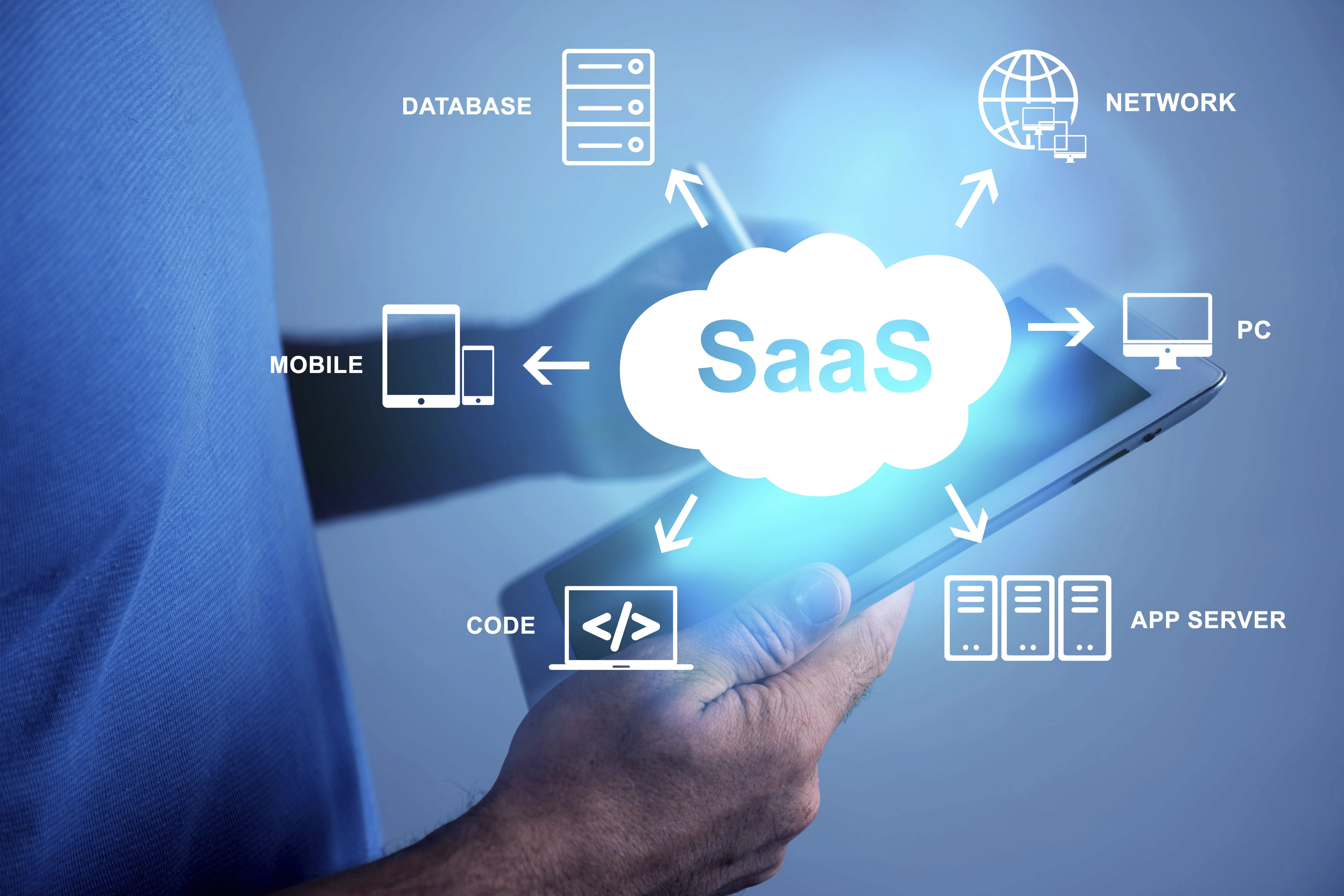
When Nichetech offers software applications as a service SaaS, it means that instead of purchasing and installing software on individual computers or devices, customers access and use the software over the internet through a web browser or dedicated client application.

Cloud Backup and Recovery Solutions

Cloud Backup and Recovery Solutions

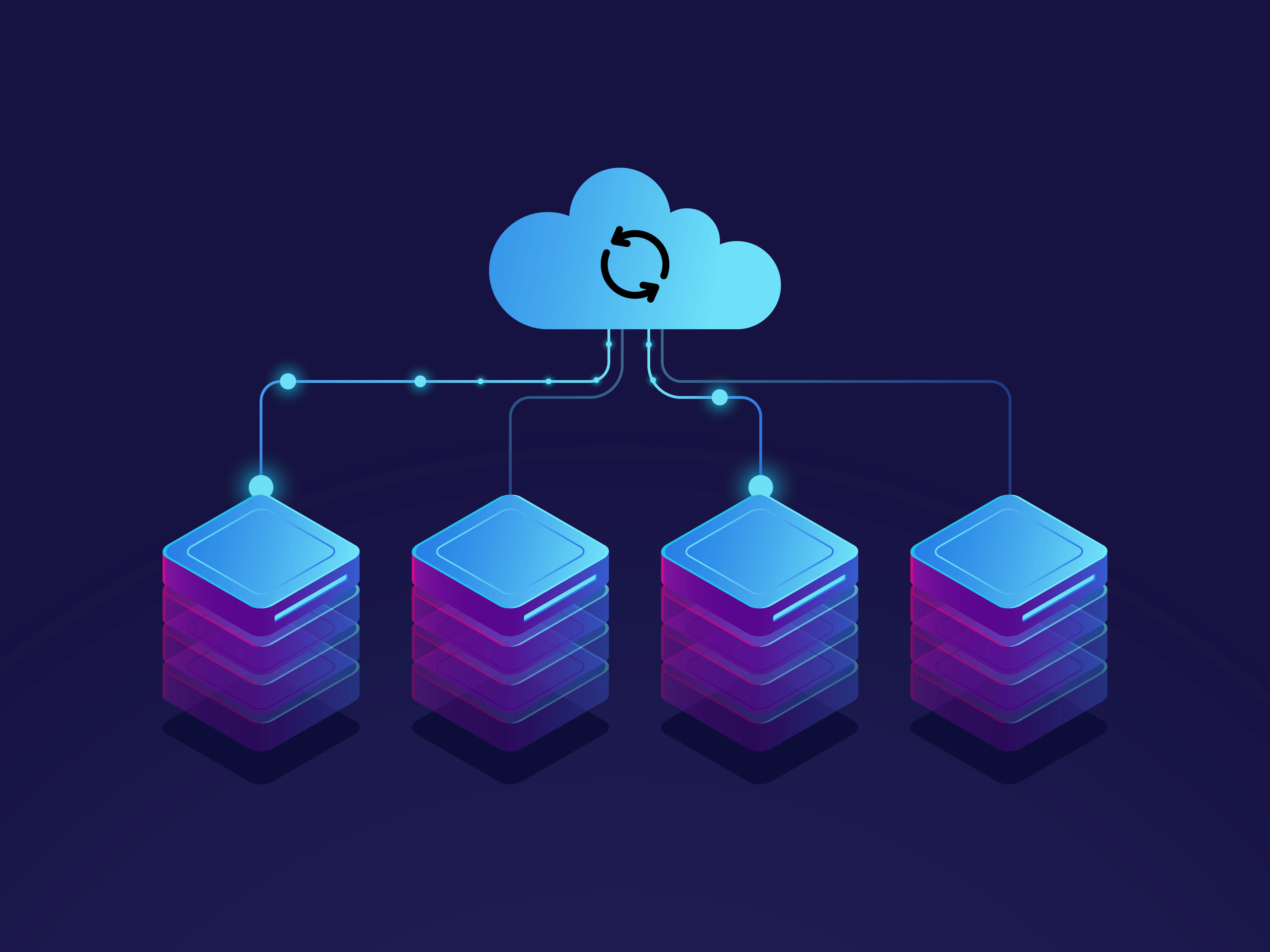
In an era where data is a vital asset for businesses, Nichetech offers cloud-based data storage and backup solutions. These services provide businesses with secure, scalable, and accessible platforms for storing and protecting their valuable data. By leveraging cloud technology, organizations can simplify data management, reduce costs, and ensure data integrity and availability in the face of modern challenges.

DBMS Cloud Solutions

DBMS Cloud Solutions

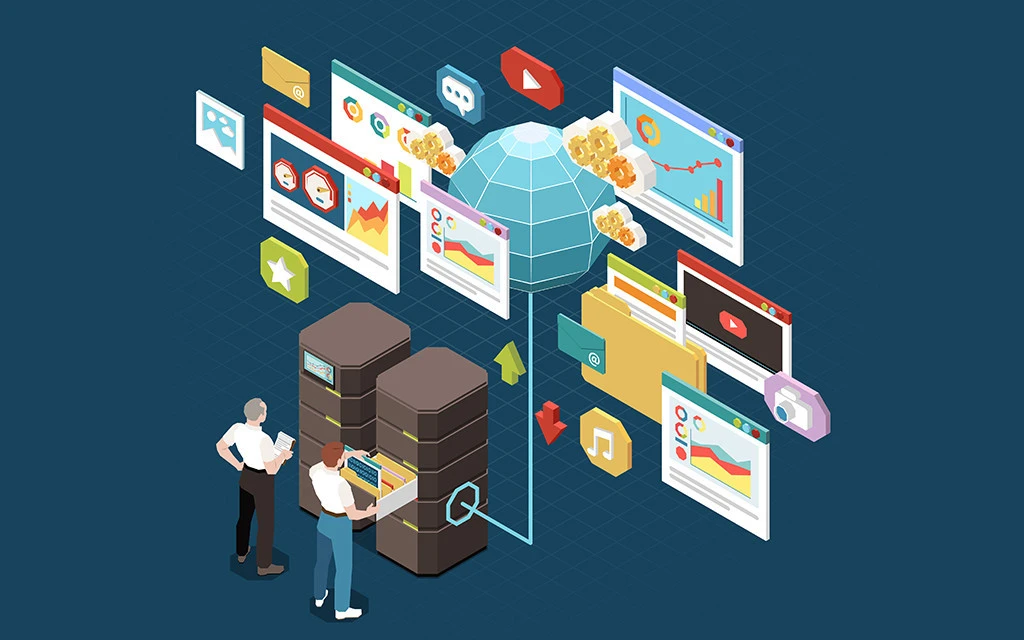
Database Management Systems (DBMS) provided by Nichetech offer businesses a comprehensive solution for organizing and managing their data. Here's how they work:

Cloud Environments Solutions

Cloud Environments Solutions

In the software development lifecycle, creating and testing applications efficiently is essential for delivering high-quality products to market. Development and Testing Environments provided by Software as a Service (SaaS) companies offer comprehensive solutions for developers and QA teams. These cloud-based platforms provide the necessary tools and infrastructure to develop, test, and deploy software applications seamlessly. By leveraging Development and Testing Environments in the cloud, businesses can streamline their development processes, improve collaboration, and accelerate time-to-market.

Content Delivery Networks (CDNs)

Content Delivery Networks (CDNs)

In the digital era, delivering content swiftly and securely to users across the globe is crucial for businesses seeking to provide optimal online experiences. Content Delivery Networks (CDNs) offered by Software as a Service (SaaS) companies address this need by providing a distributed network infrastructure for delivering web content efficiently. By caching content in strategically located servers worldwide, CDNs reduce latency, improve website performance, and enhance the user experience. Businesses can leverage CDNs to accelerate content delivery, mitigate traffic spikes, and ensure reliable access to their digital assets.

Infrastructure as a Service Solutions (IaaS)

Infrastructure as a Service Solutions (IaaS)

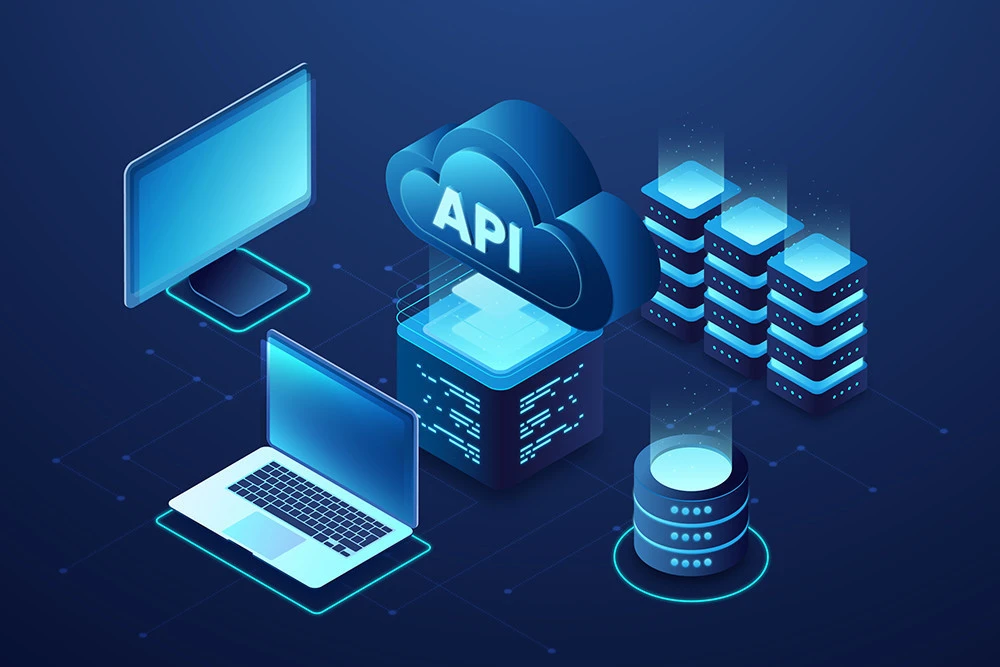
In the realm of cloud computing, Infrastructure as a Service (IaaS) stands as a foundational pillar, offering businesses a flexible and scalable solution for accessing computing resources on-demand. Provided by Software as a Service (SaaS) companies, IaaS enables organizations to rent virtualized computing infrastructure, including servers, storage, and networking components, from a cloud provider. By leveraging IaaS, businesses can rapidly provision and scale infrastructure resources according to their needs, without the need for upfront investments in hardware or the burden of managing physical infrastructure.

Cloud Integration Services

Cloud Integration Services

In today's interconnected digital ecosystem, seamless integration between disparate systems and applications is essential for businesses to optimize operations and enhance efficiency. Integration and Middleware Services offered by Software as a Service (SaaS) companies provide businesses with the tools and infrastructure needed to connect, orchestrate, and streamline data flow across various software applications and platforms. These cloud-based integration solutions enable businesses to automate workflows, synchronize data, and facilitate real-time communication between different systems. By leveraging Integration and Middleware Services, organizations can achieve greater agility, scalability, and interoperability in their IT environments.

Development Process We Follow

Our design process follows a proven approach. We begin with a deep understanding of your needs and create a planning template.

Requirement Analysis

Resource Planning

Design & Prototyping

Software Development

Testing

Deployment

Maintenance and Update

Industries we serve

Hire world-class developers for your project

We have a dexterity team of designers & developers that works on clients projects excellently and delivers the project on timeline.

Talk To Our Experts
Our Development Team

Frequently Asked Questions

What are cloud solutions?
Cloud solutions refer to the use of cloud computing technology to provide IT services, including data storage, applications, and computing power over the internet. This allows businesses to access and manage resources remotely, reducing the need for on-premise infrastructure.
What types of cloud solutions do you offer?
We offer cloud solutions including cloud migration, infrastructure setup (AWS, Azure, GCP), cloud-native app development, data storage, backup and recovery, DevOps automation, and managed cloud services. Our solutions ensure scalability, security, and high performance to support business growth and digital transformation across various industries.
Why should I move to the cloud?
Moving to the cloud offers benefits like cost savings, scalability, enhanced security, remote access, and better collaboration. It allows businesses to reduce IT infrastructure costs, scale resources on-demand, ensure data backup and disaster recovery, and improve performance, all while enabling more flexible, agile business operations.
What are the different types of cloud deployment models?
The main cloud deployment models are public, private, hybrid, and community clouds. Public clouds are owned by service providers, private clouds are dedicated to a single organization, hybrid clouds combine both, and community clouds are shared by organizations with common interests.
What is the difference between IaaS, PaaS, and SaaS?
IaaS (Infrastructure as a Service) provides virtualized computing resources, PaaS (Platform as a Service) offers a platform for developing and hosting applications, and SaaS (Software as a Service) delivers software applications over the internet, eliminating the need for local installation.
How do I migrate my business to the cloud?
To migrate your business to the cloud, assess your needs, choose a cloud provider, and create a migration plan. Prepare infrastructure, migrate data and applications, and test for performance and security. Optimize as needed, and ensure your team is trained to effectively use and manage the cloud environment.
What security measures are in place for cloud solutions?
Cloud solutions implement security measures like encryption, firewalls, multi-factor authentication, and access control to protect data. Regular security audits, compliance with standards (e.g., GDPR, HIPAA), and intrusion detection systems are also in place. Backup and disaster recovery plans ensure data integrity, while providers offer secure infrastructure management.
Will my cloud data be safe from cyberattacks?
Cloud providers use advanced security measures, including encryption, firewalls, and continuous monitoring, to protect your data. However, we also recommend additional security practices, such as access controls, regular audits, and user training to mitigate risks.
Can I access my cloud data from any device?
Yes, cloud solutions are designed to be accessible from any device with an internet connection, including smartphones, tablets, and laptops. This enables you to work remotely and stay connected at all times.
How do cloud solutions improve business collaboration?
Cloud solutions enable real-time collaboration by allowing teams to access shared documents, tools, and applications from anywhere. This enhances communication, streamlines workflows, and improves productivity across teams, even if they are in different locations.
How scalable are cloud solutions?
Cloud solutions are highly scalable. You can easily add or remove resources like storage, computing power, and network capacity based on your business needs, making it easier to adapt to growth or changing demands.
Do cloud solutions require regular maintenance?
Cloud solutions are generally low-maintenance, as cloud providers handle much of the infrastructure management. However, we offer ongoing monitoring, updates, and support to ensure that your cloud services continue to operate smoothly and securely.
How do you ensure data privacy in cloud solutions?
Data privacy in cloud solutions is ensured through encryption, access controls, secure authentication, compliance with data protection regulations, regular audits, and using trusted cloud providers with strong privacy policies and data handling practices.
What is cloud backup and how does it work?
Cloud backup involves storing copies of your business-critical data on the cloud, ensuring it’s safe in case of hardware failure, disasters, or cyberattacks. We offer automated cloud backup services that securely store your data and allow for quick recovery if needed.
What happens if there’s a service outage in the cloud?
Most cloud providers offer high availability and redundancy to minimize downtime. We ensure your business is prepared for potential outages with disaster recovery solutions and backup plans, so your data and services remain accessible even during outages.
How do I manage costs for cloud services?
Cloud services typically operate on a pay-as-you-go model, allowing you to pay only for the resources you use. We can help you manage cloud costs by: Monitoring usage and optimizing resource allocation. Implementing cost-effective scaling strategies. Regularly reviewing billing statements to avoid unexpected charges.
Can cloud solutions help with disaster recovery?
Yes, cloud solutions are an excellent option for disaster recovery. With cloud backup and recovery tools, your data is automatically stored offsite, and you can quickly restore it in case of data loss, hardware failure, or other emergencies.
What are the key benefits of using a private cloud?
A private cloud offers greater control over your resources, enhanced security, and customization options. It's ideal for businesses with sensitive data or specific compliance requirements, as it provides dedicated resources and more stringent security measures compared to public clouds.
How can cloud solutions benefit small businesses?
Cloud solutions offer small businesses flexibility, cost-efficiency, and scalability without the need for large upfront investments in infrastructure. You can access enterprise-level resources, applications, and security while paying only for what you use.
Can I integrate cloud solutions with my existing systems?
Yes, cloud solutions can be integrated with your existing systems, whether on-premise or in the cloud, ensuring smooth data exchange and improving operational efficiency. We can assist with custom integrations based on your business needs.
What services do you offer under AI and ML development?
We offer AI and ML development services including data analysis, model training, algorithm development, natural language processing, computer vision, predictive analytics, and automation solutions, helping businesses optimize operations, improve decision-making, and enhance customer experiences using advanced AI/ML technologies.

Nichetech Bot